Reimagining Professional Development for the Future Workforce
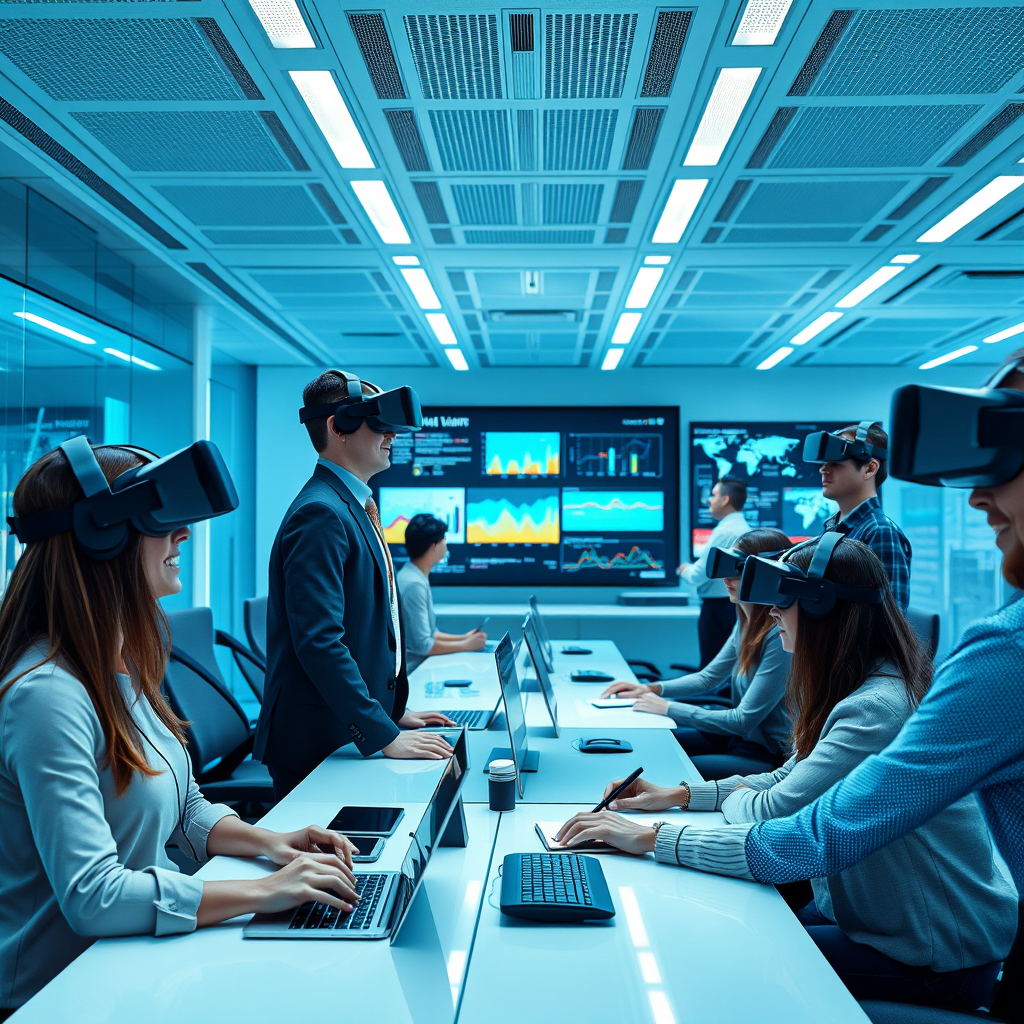
In an era defined by rapid innovation, globalization, and digital transformation, the traditional models of professional development are no longer sufficient. To thrive in the modern workplace, employees and leaders alike must embrace a new, agile, and growth-oriented approach to learning. Gone are the days when periodic workshops and annual seminars were enough to keep skills fresh. Today, professional development must be continuous, personalized, and aligned with both individual career goals and evolving business needs.
The Need for Ongoing Learning
Organizations across the world are recognizing that the shelf life of job skills is shrinking dramatically. A skill that was relevant five years ago might now be obsolete. In this landscape, companies cannot afford to let learning be an afterthought. Instead, they must embed development into the fabric of their operations. Professional growth must be accessible on demand and driven by data-informed decisions.
Employees who feel empowered to learn are more engaged, motivated, and productive. According to numerous workplace studies, opportunities for growth and learning are among the top factors influencing job satisfaction. When a company invests in continuous learning, it signals a deep commitment to the long-term success of its workforce.
Technology as an Enabler, Not a Distraction
The future of professional development is being shaped by technology. AI-powered platforms, virtual simulations, microlearning modules, and personalized learning pathways are all enabling professionals to upskill at a pace that matches their careers. More importantly, these technologies allow learning to be hyper-relevant to daily job functions.
However, technology alone is not the answer. Human-centered design in learning experiences is key. Even the most advanced platforms must be built with empathy, accessibility, and clarity in mind to truly support growth.
Many forward-thinking organizations are turning to solutions like this dynamic corporate learning platform to integrate meaningful, real-time development into daily workflows. These platforms combine technology with insights from behavioral science and instructional design to ensure that learning sticks.
Building a Learning Culture from the Ground Up
To truly reimagine professional development, organizations need more than just tools—they need a mindset shift. A learning culture starts at the top, with leaders modeling curiosity, vulnerability, and a willingness to grow. When senior leadership treats learning as a strategic priority rather than an HR checkbox, it transforms the way teams engage with development opportunities.
Companies that champion continuous learning reap a variety of benefits: reduced turnover, improved innovation, higher morale, and better performance outcomes. It’s not just about keeping employees engaged—it’s about making the organization future-proof.
To help establish this kind of high-impact culture, businesses are increasingly adopting transformational upskilling frameworks tailored to their specific goals and challenges. These strategies go beyond surface-level change and focus on deep, long-lasting capability development.
Aligning Individual Growth with Organizational Goals
One of the most powerful aspects of modern professional development is its ability to align personal ambition with company objectives. When employees see a clear link between their growth and the success of the organization, they are more likely to stay committed and engaged.
This alignment requires open communication, regular check-ins, and co-created development plans. Managers must be trained not just to supervise, but to coach and guide their teams. Professional development should be treated as a two-way street, with employees having input and agency in their learning journey.
Measuring the Impact of Learning
Effective learning is measurable. Organizations should look beyond attendance numbers and course completion rates to understand the real impact of their development programs. Metrics like performance improvements, internal mobility, employee retention, and innovation output can provide valuable insights.
Technology enables more accurate tracking of these metrics, but it’s also important to gather qualitative feedback. Are employees more confident? Are they applying what they’ve learned? Do they feel supported in their roles?
Final Thoughts
Reimagining professional development isn’t a one-time initiative—it’s an ongoing commitment to growth, adaptability, and resilience. As we navigate an increasingly complex and fast-moving business world, investing in learning is no longer optional. It is the cornerstone of sustainable success.
By embracing tools and strategies that combine technology with empathy, and aligning learning with both personal and organizational goals, companies can create a thriving, future-ready workforce.